




Compost Tea and Compost Extract
Living biology for soil and leaf
Compost tea is produced in actively aerated brewing systems. Unlike a simple compost extract, the beneficial microorganisms from high-quality compost are not merely extracted but deliberately multiplied over 24 to 48 hours. This creates billions of living bacteria and fungi as well as a wide range of bioactive metabolic products – so-called metabolites – that act as natural biostimulants. Compost tea strengthens plants, revitalises the soil and can significantly reduce the use of fertilisers and pesticides.
+

+

=

Showing all 7 results
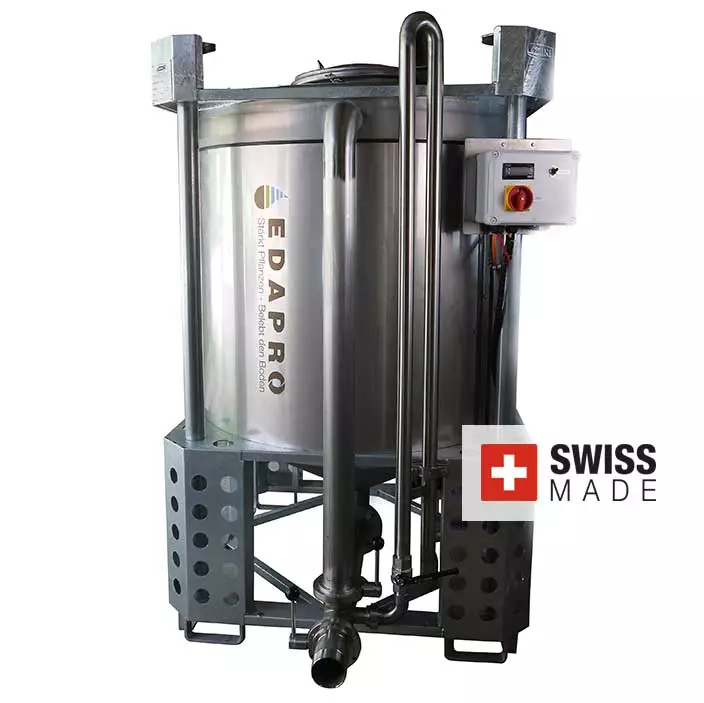

EdaLife Chrome compost tea brewing system
The flagship of our brewers. The Chrome compost tea brewer offers the highest quality without compromise, made from stainless steel.
One device – three applications
The brewer is not only excellent for producing compost tea, but also for making compost extract and ferments (EM).
Optional with integrated heating, heating control and insulation – required for producing ferments.
Made in Switzerland.
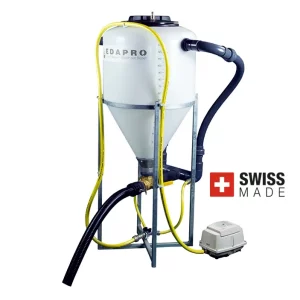
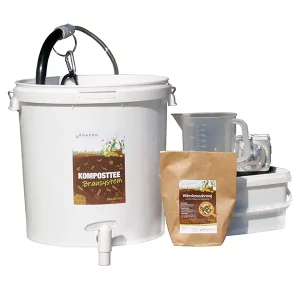


EdaBiom Microbial Substrate
The EdaBiom microbial substrate contains the microorganisms required for the brewing process. The EdaBiom microbial substrate meets the highest quality standards for promoting the natural edaphon—the totality of soil biota—and is reflected in the high diversity of beneficial microorganisms. Ongoing chemical-physical and biological tests continuously guarantee the high quality.
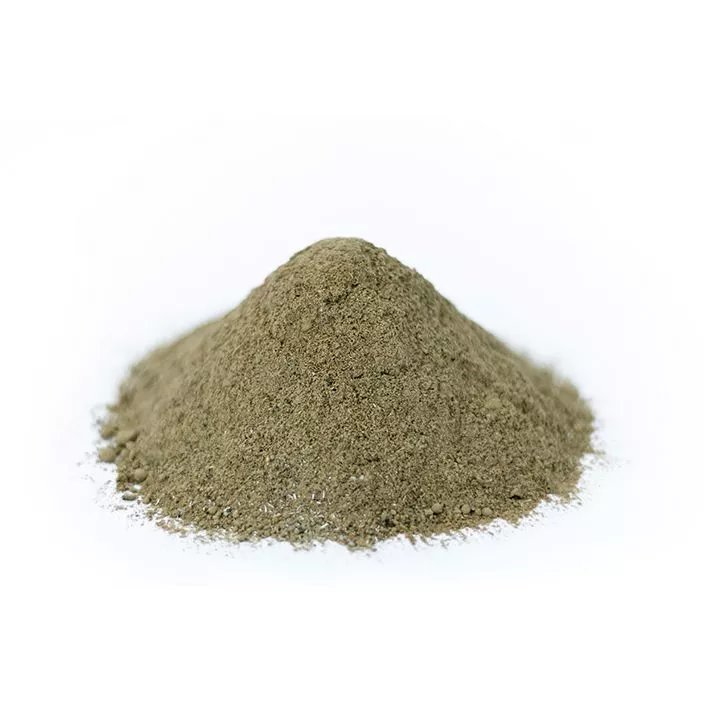
EdaBiom+ Microbial Food
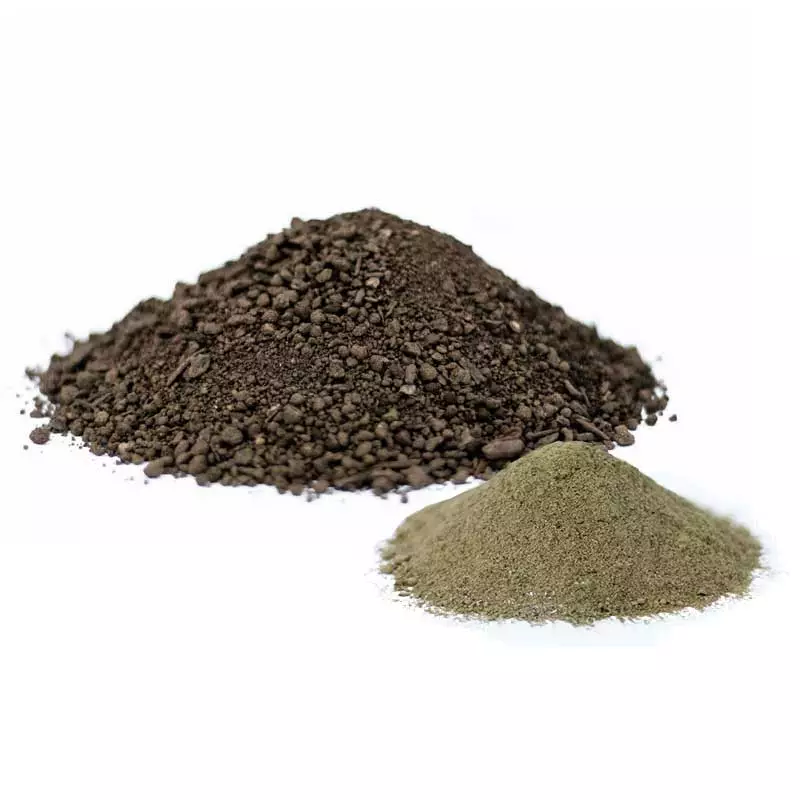
Compost Tea Mix for Other Manufacturers / DIY
Compost tea refill pack for Vortex brewing machines and other manufacturers
Compost (microbial substrate) & microbial food for the production of compost tea. Suitable for brewing systems from Vortex Energie GmbH (Austria) or individual own designs.
One pack is sufficient for the production of 1,000 litres of compost tea.
To the refill packs for the EdaLife brewing systems from EDAPRO
What is compost tea?
Compost tea is a liquid, oxygen-rich extract made from mature compost. In an aerated brewing system, bacteria, fungi, protozoa and nematodes are released from the compost and actively multiplied under optimal conditions. Over a period of 24 to 48 hours, population densities of more than 10⁹ CFU/ml develop – a concentration that cannot be achieved with a simple cold-water extract.
Three bacterial genera in particular benefit from the active aeration and the targeted nutrient addition (microbial food):
Acinetobacter – produces the plant hormone indole-3-acetic acid (IAA), which promotes root growth and leaf development. Acinetobacter also forms siderophores that make soil iron available to plants, and dissolves poorly accessible phosphate through organic acids.
Bacillus – as a spore former, it produces particularly resistant resting stages and lipopeptides such as surfactin, iturin and fengycin. These act directly antifungally against Botrytis, Fusarium and powdery mildew and simultaneously activate the plant’s own defences (induced systemic resistance, ISR). Surfactin additionally acts as a biosurfactant and improves the wetting of leaf surfaces.
Pseudomonas – produces siderophores (pyoverdine) that bind iron and withdraw it from pathogenic fungi. Pseudomonas also forms 2,4-DAPG (diacetylphloroglucinol) and phenazines, which act as fungicides, as well as hydrogen cyanide (HCN), which inhibits soil-borne pathogens. Some strains such as P. fluorescens G20-18 produce cytokinins that promote cell division and fruit set.
Bioactive metabolites in compost tea
The decisive difference between compost tea and compost extract lies in metabolite production. Through the active multiplication of the micro-organisms, hundreds of bioactive compounds form during the brewing process – compounds that are present only in traces, or not at all, in a passive extract:
| Stoffgruppe | Verbindungen | Wirkung an der Pflanze |
|---|---|---|
| Phytohormone | IAA (Auxin), Cytokinine, Gibberelline (GA₄), Salicylsäure, ABA | Wurzelwachstum, Zellteilung, Blüteninduktion, Stresstoleranz, Abwehrsignale |
| Lipopeptide | Surfactin, Iturin, Fengycin (aus Bacillus) | Direkter Schutz gegen Pilzkrankheiten, ISR-Aktivierung, Biosurfactant-Effekt auf Blatt |
| Siderophore | Pyoverdin (Pseudomonas), Aerobactin (Acinetobacter) | Eisenmobilisierung, Entzug von Fe für pathogene Pilze |
| Enzyme | Phosphatasen, Cellulasen, Chitinasen, Proteasen, Lipasen | Nährstofffreisetzung (P, N), Abbau von Pathogen-Zellwänden (Chitin) |
| Huminstoffe | Humin- und Fulvosäuren, Auxin-ähnliche Moleküle | Verbesserung der Nährstoffaufnahme, Bodenstruktur, Wurzelstimulation |
| Organische Säuren | Citrat, Oxalat, Gluconat | P- und Silikat-Mobilisierung aus Bodenreserven |
NMR analyses show that compost tea contains lignin-based compounds (61%), peptide structures (22%), fatty acids (15%) and carbohydrates (5%) – a complexity that no synthetic product can reproduce (Campana et al. 2026).
What is compost extract – how does it differ from compost tea?
A compost extract is created by simply washing out compost in cold water – without aeration and without nutrient addition. Existing micro-organisms and water-soluble nutrients are passively released, but not multiplied. Bioactive metabolites such as lipopeptides, siderophores or phytohormones are barely formed.
Compost tea goes one decisive step further: through continuous oxygen supply and the addition of microbial food, aerobic bacteria and fungi are actively multiplied. Within 24 to 48 hours, population densities develop that are 100 to 1000 times higher than those of an extract. Only this multiplication triggers the production of the valuable metabolites – lipopeptides, enzymes, phytohormones and siderophores – that give compost tea its biostimulant effect.
| Merkmal | Kompostextrakt | Komposttee |
|---|---|---|
| Herstellung | Kompost in kaltem Wasser auswaschen (passiv) | Kompost in belüftetem Wasser mit Nährstoffzugabe brauen (aktiv) |
| Belüftung | Keine oder minimal | Kontinuierlich, kräftige Sauerstoffzufuhr |
| Dauer | 0,5–1 Stunden | 24–48 Stunden |
| Mikrobennahrung | Keine Zugabe | Gezielte Nährstoffe für Bakterien und Pilze |
| Mikrobenvermehrung | Keine – vorhandene Organismen werden nur ausgewaschen | 100- bis 1000-fache Vermehrung, >10⁹ KBE/ml |
| Metabolitengehalt | Gering – nur wasserlösliche Bestandteile des Komposts | Hoch – Lipopeptide, Siderophore, Phytohormone, Enzyme aktiv gebildet |
| Enzymaktivität | Niedrig | Hoch – Phosphatasen, Chitinasen, Proteasen, Cellulasen |
| Bodenapplikation | Ideal in den Saatschlitz oder als Saatgutbeizung | Über Bewässerungssysteme zur Pflanzenstimulation |
| Blattapplikation | Besiedelung mit hoher Diversität an Mikroorganismen | Starke biostimulante Wirkung, Krankheitsresistenz, Biosurfactant-Benetzung |
| Haltbarkeit | Einige Tage bei kühler Lagerung | Möglichst innerhalb von 4–6 Stunden ausbringen |
| Geeignet für | Saatgutbehandlung, einfache Bodenverbesserung | Professionelle Boden- und Blattapplikation, Biostimulation |
How does compost tea work?
Compost tea unfolds its effect via two main pathways: through the soil and through the leaf.
In the soil, the introduced micro-organisms promote the build-up of an active soil life. They mobilise phosphorus and silicate from bound soil reserves that would otherwise be inaccessible to plants. Bacillus and Pseudomonas produce phosphatases that release organically bound phosphate, while organic acids dissolve mineral-bound phosphate. This allows a reduction of P fertilisation by up to 25% without yield loss (Campana et al. 2026). At the same time, the micro-organisms improve soil structure: fungal hyphae and bacterial exopolysaccharides bind soil particles into stable aggregates and thus enhance water and air capacity. Microbial biomass in the soil increases by 60–75% (Campana et al. 2026).
Foliar application – the underestimated strength
Foliar application is particularly effective where compost tea plays out its greatest advantage over an extract.
- Biostimulation: the phytohormones contained in the tea – especially IAA (auxin) and cytokinins – reach the leaf surface directly and are taken up through the cuticle. They stimulate cell division and promote leaf and root growth.
- Disease resistance: Bacillus lipopeptides (surfactin, iturin, fengycin) form a bioactive film on the leaf surface. Surfactin acts as a natural wetting agent (biosurfactant) that improves wetting and optimises the distribution of the protective microbes. Iturin and fengycin directly inhibit the germination of fungal spores (Botrytis, powdery mildew). At the same time, these lipopeptides activate the plant’s own defences via the jasmonic-acid and salicylic-acid signalling pathways (ISR), which also protects the plant against subsequent infections.
- Nutrient supply via the leaf: with weekly foliar spraying, compost tea provides an N/K supply comparable to mineral fertilisation in strawberries (Hargreaves et al.). Humic and fulvic acids additionally improve nutrient uptake through the cuticle. The trace-element supply (Cu, B, Zn) is in some cases higher in compost tea than in the starting compost.
The combination of these mechanisms explains why foliar sprays with compost tea not only improve plant health but also extend the shelf life of the harvest – in lettuce, significantly reduced leaf rot was observed after 12 days of cold storage (Bonanomi et al. 2025).
Compost extract for seed and the seed slot
During sowing, compost extract fully plays out its practical advantages. It can be prepared within a few hours in our EdaLife Chrome brewing systems – by simply washing out compost in cold water – keeps for several days and can therefore be kept in stock in sufficient quantity throughout the entire sowing period. A decisive advantage over compost tea, which must be applied within four to six hours.
For seed inoculation, the seeds are soaked or sprayed directly in the extract. The micro-organisms it contains attach to the seed surface and form a biological protective film there. As soon as the seed germinates, these pioneer organisms are the first to colonise the young root and establish themselves in the rhizosphere, even before soil-borne pathogens such as Pythium or Fusarium can take hold. This principle of competitive first colonisation is decisive: whoever is there first determines the microbial neighbourhood of the plant for the entire growing season.
When the compost extract is sprayed into the seed slot, a microbially enriched zone is created around the seed grain. The introduced bacteria and fungi enter into symbiosis with the germinating root: fungal spores from the compost can colonise the root within the first few days and expand the plant’s nutrient network. This early symbiosis improves the germination rate, accelerates juvenile development and increases the stress tolerance of the young plant.
Compost tea works just as well in principle for seed treatment. In practice, however, handling compost extract during sowing is simpler: it can be prepared in large quantities and stored for several days, whereas compost tea must be freshly brewed and processed immediately. During the hectic sowing season, when seed drills often run around the clock, this flexibility is crucial.


