





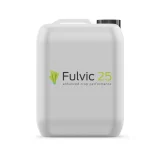

Refill pack Vortex machines
CHF 98.00
Compost tea refill pack for Vortex brewing machines and other manufacturers
Compost (microbial substrate) & microbial food for the production of compost tea. Suitable for brewing systems from Vortex Energie GmbH (Austria) or individual own designs.
One pack is sufficient for the production of 1,000 litres of compost tea.
To the refill packs for the EdaLife brewing systems from EDAPRO
The compost tea refill pack for Vortex brewing machines is suitable for the compost tea machines from Austria or self-built designs. It contains less compost than the refill packs for the EdaLife systems, as the compost content is adapted to the limited air capacity. This ensures that the aerobic microorganisms can grow optimally without the oxygen content dropping too much.
The lower amount of compost in the compost tea refill pack for Vortex brewing machines is required due to the lower air output of the Vortex machines compared to the EDAPRO brewing systems.
Compost tea from the Vortex machines also has positive effects. The swirled water acts as a biostimulant, allowing plant growth-promoting microorganisms to grow even with smaller quantities of compost. This compost tea can be used to strengthen plants, especially in combination with foliar fertilisers. The combination of living microorganisms, biostimulants and nutrients is particularly effective.

Microbial substrate
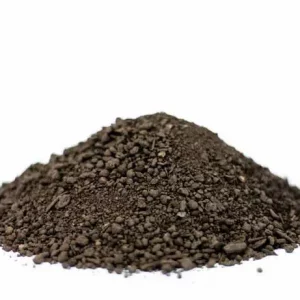
The EdaBiom microbial substrate contains the microorganisms needed for the brewing process. The EdaBiom microbial substrate meets the highest quality standards for the promotion of the natural edaphon – the totality of soil life – and is reflected in the high diversity of beneficial microorganisms. Ongoing chemical-physical and biological tests continuously guarantee the high quality.

Microbial food
We offer specialised microbial nutrients so that the compost tea can be used according to the situation. The crop-specific promotion of certain groups of organisms from the EdaBiom microbial substrate increases the effectiveness of the microbially active compost tea.
Balanced ingredients ensure the promotion of a healthy microbiology
.
Organisms in the microbial substrate EdaBiom
The EdaBiom microbial substrate contains a large number of beneficial microorganisms that function in a community in constant communication with each other. The following organisms are contained in the EdaBiom microbial substrate:
- Bacteria
- Fungi
- Protozoa
- Nematodes
Application rate
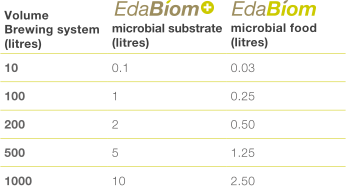
The amount of microbial substrate and microbial food required depends on the volume of the brewing system. The quantities are shown in the table above.
Different quantities apply for the EdaLife brewing systems due to the increased oxygen supply and therefore increased efficiency of the devices.

Storage period
Compost: Maximum 3 to 4 months
Microbial food: 12 months
Storage temperature
Store in a cool and humid place, protect from dehydration.
Storage
Store away from sunlight
Oxygen
Do not stack substrate bags
Additional Information
| Weight | 11 kg |
|---|---|
| Dimensions | 20 × 20 × 20 cm |
Related products
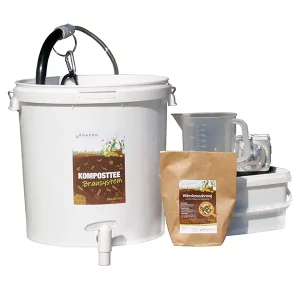

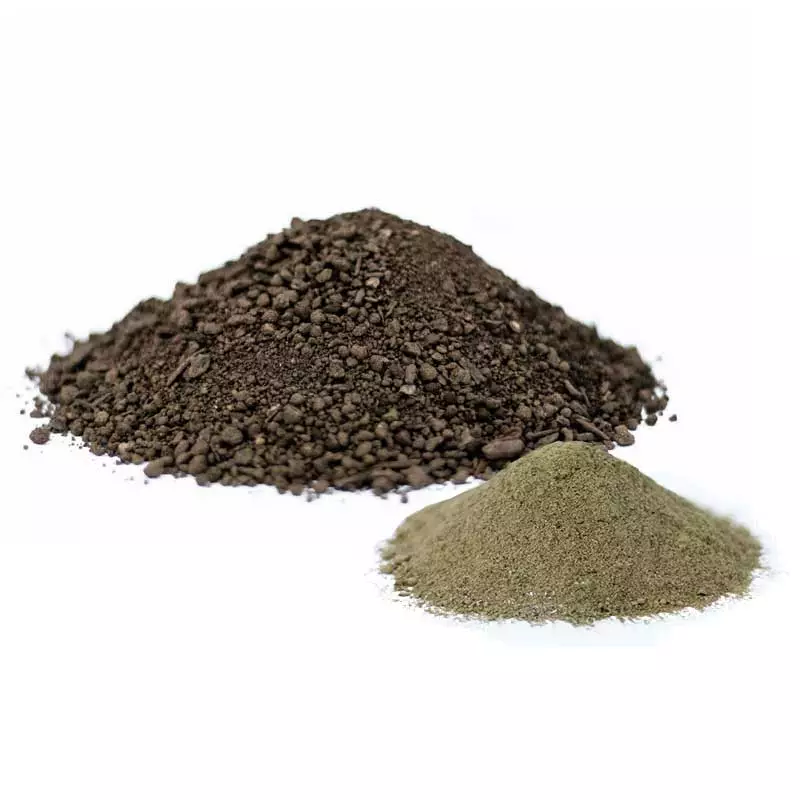
Microbial substrate EdaBiom
Microcosm Microbial Substrate

Bacteria
Bacteria are the last element in the food chain, decomposing organic matter to absorb nitrogen, carbon bonds and other nutrients, which are then fixed in the organisms. When bacteria are consumed by other organisms (protozoa, nematodes), they then become plant-available (mineralised).
Since the bacteria themselves are attached to the soil particles, the nutrients they trap remain in the soil instead of being washed out, as is the case with mineral fertilisation.

Protozoa
Protozoa feed mainly on bacteria, so their quantity is directly related to the number of bacteria. As a result, the immobilised (not plant-available) nutrients in the bacteria and fungi are mineralised and thus plant-available. Since bacteria and fungi mainly reside in the root zone (rhizosphere), the unicellular protozoa are also there and supply the plant with available nutrients.
Studies show that protozoa graze the bacteria at the rhizosphere (rhizobacteria) and influence the bacterial community at the rhizosphere. The protozoa indirectly induce the formation of new lateral roots by changing the bacterial community and thus the excretion of further plant secretions (exudates), plant growth is promoted.

Fungi
Fungi are able to transport nutrients over long distances because of their longitudinal growth compared to bacteria. Fungi, unlike bacteria, break down hard-to-digest food such as lignin, chitin (from insect shells), animal bones or toenails and fingernails. They also have the ability to penetrate hard surfaces.
Phosphorus is very often chemically bound in the soil and not available to plants. Fungi are able to locate it, release it from the bonds and transport it to the roots, which is one of the main functions of fungi. Nitrogen in the form of ammonium (NH4+) is also released by fungi in acidic environments. One form of fungi is mycorrhizal fungi, which live in symbiosis with plant roots. At least 90% of all plants form a symbiosis with mycorrhiza.

Nematodes
Nematodes are undissected, blind nematodes that, together with protozoa, mineralise (make available to plants) the nutrients found in bacteria and fungi.
Nematodes are the main consumers in the soil. In addition to the parasitic nematodes that feed on plant roots, there are also nematodes that feed on bacteria (bacterivorous) and nematodes that feed on fungi (fungivorous). Both types mineralise the nutrients found in the smaller organisms. Predatory nematodes feed on protozoa, algae and other organisms.
Root-feeding nematodes are no longer present in compost that has reached a temperature above 55°C for at least three days.


